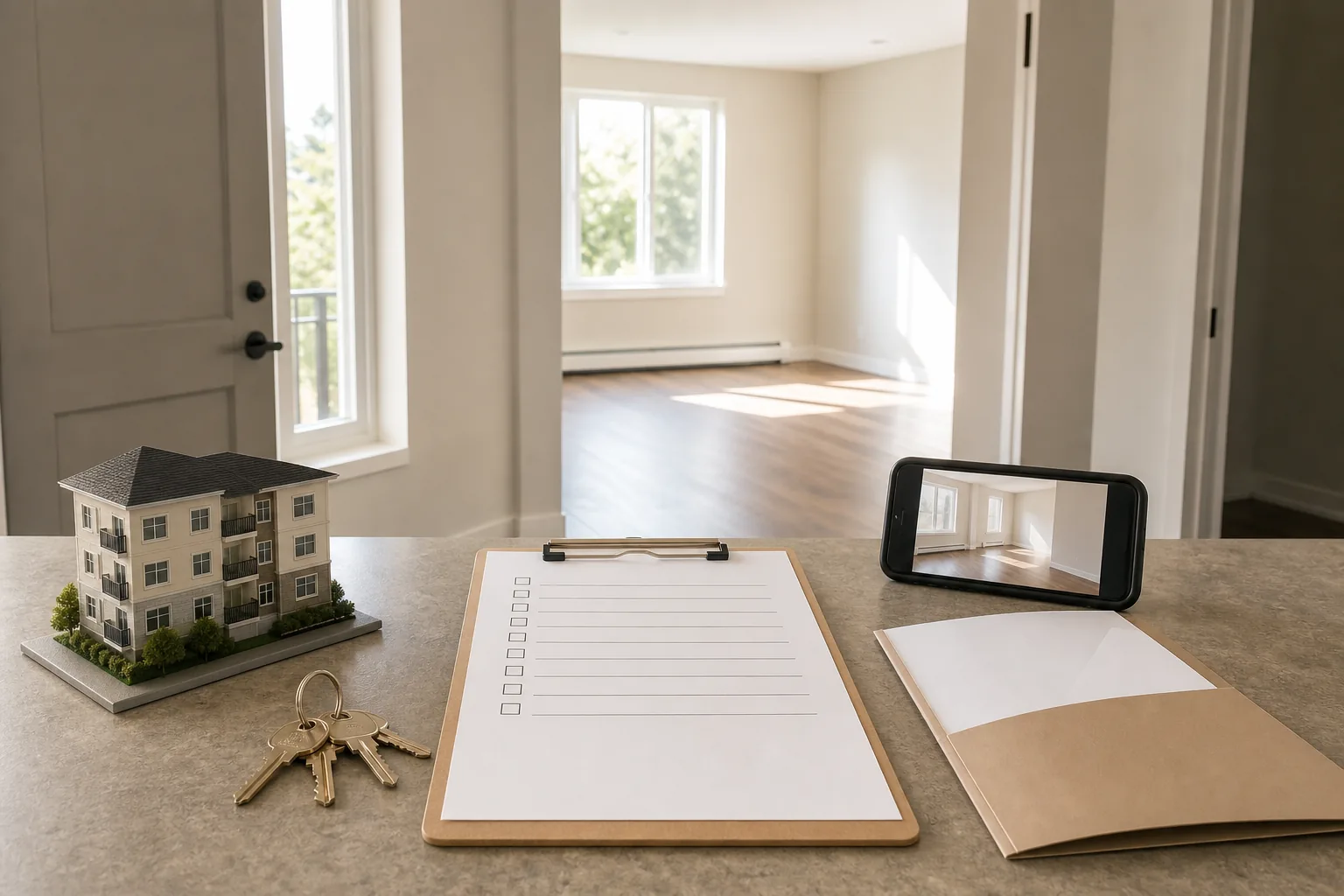
Move-in day should feel organized, not improvised. The most useful record is built before the resident arrives: the unit is checked, access items are counted, open work is named, and the team knows which documents and instructions are approved for the property. That preparation gives everyone the same baseline from the first day of the tenancy.
For Pennsylvania property managers and landlords, a consistent move-in documentation process reduces confusion around condition, access, remaining work, and the next point of contact. The goal is practical: make the handoff clear, preserve the right records, and avoid relying on memory when a question comes up later.
1. Build the move-in packet before the appointment
Start with the approved documents and property information already required for the file. Confirm that the lease status, resident names, unit number, contact method, payment and utility workflow, building instructions, and property-specific policies match the current record. A packet should be complete enough to guide the meeting without creating unofficial side documents.
Before the resident arrives
- Approved move-in documents and property-specific forms are ready in the correct system.
- Resident names, unit assignment, contact details, and appointment timing match the current file.
- Any remaining make-ready item is listed with its current status and next action.
- Access items, parking details, remotes, fobs, and keys have been counted and verified.
- The team knows the approved contact route for maintenance, scheduling, and property questions.
2. Confirm the unit is ready for the handoff
Do one final operational walk before the scheduled move-in. Check that the unit condition matches what has been communicated, that common access routes are usable, and that basic systems can be reviewed safely. If a promised item is still pending, state the status accurately, log it in the approved system, and give a confirmed next step rather than an assumption.
This is the final point in the handoff chain that begins with the rental turnover checklist. A clean move-in packet is easier to create when the turnover team has already documented completed work, open issues, and access changes.
3. Record condition in a consistent sequence
Condition notes are most useful when they follow the same room-by-room order every time. Use the approved checklist, write factual observations, and attach photos or video in the approved location when appropriate. Capture the condition that exists at handoff rather than trying to explain why it exists or making a repair commitment that has not been authorized.
- Start outside or at the entry: note the access route, exterior condition visible at handoff, and included access items.
- Move room by room: use the same order for flooring, walls, fixtures, appliances, windows, and visible condition.
- Record included items: identify storage, parking, appliances, remotes, or other items tied to the unit.
- Log open items separately: distinguish a completed unit from an item that is scheduled, pending approval, or awaiting a vendor.
4. Use photos and video as supporting evidence
Photos and video work best when they support the written record, not replace it. Use clear, well-lit views, keep a consistent naming or filing method, and store media with the correct property and unit. Avoid collecting or sharing personal information unnecessarily, and do not rely on a personal phone gallery as the official property record.
For a disputed or unusual condition, add a short factual note that identifies the location and what is visible. The note should help a future team member find the relevant record without forcing them to infer what happened.
5. Reconcile every access item
Keys, fobs, remotes, mailbox keys, gate devices, parking passes, and storage access should be counted at the moment of handoff. Record the exact items issued in the approved system and make sure the resident knows the proper channel for an access problem. If an access item is not ready, document the status and route it through the right operational process.
Access handoff record
- Primary unit keys and any duplicates issued.
- Building, gate, fob, remote, mailbox, parking, or storage access items.
- Any item still pending, with an owner and confirmed next update.
- Resident's approved contact route if an access problem occurs.
6. Give a concise resident orientation
A move-in orientation should focus on the information a resident can use immediately: where to submit a maintenance request, how approved entry or scheduling communication works, who to contact for a property question, and any building-specific procedures already approved for disclosure. Keep the message practical and consistent with the lease and management policy.
Do not use the moment of handoff to make new promises about maintenance timing, changes to the unit, or policies that are not in the approved record. A short, accurate orientation is more helpful than an informal explanation that cannot be supported later.
7. Capture acknowledgments through the approved process
Use the property's approved documents and workflow for acknowledgments, signatures, and resident confirmations. Before closing the meeting, check that the record is complete, required fields are present, and the right file is associated with the unit. If something needs a follow-up, create a clear task with an owner and date instead of leaving a note in a personal inbox.
The same discipline supports a clean maintenance request intake later: property data, access policy, and resident contact information should already be reliable and easy for the operations team to find.
8. Close the loop during the first week
A brief early check-in can catch an access issue, an overlooked maintenance item, or a question about the approved reporting route before it becomes a larger problem. Record the outcome, update the file, and keep any work order linked to the original move-in note. If an item remains open, communicate the actual status and next confirmed contact point.
Quinn and Wilson Realty in Jenkintown, PA supports practical property-management systems and real-estate operations. A disciplined move-in documentation process gives residents a clearer start and gives the team a better record from day one.