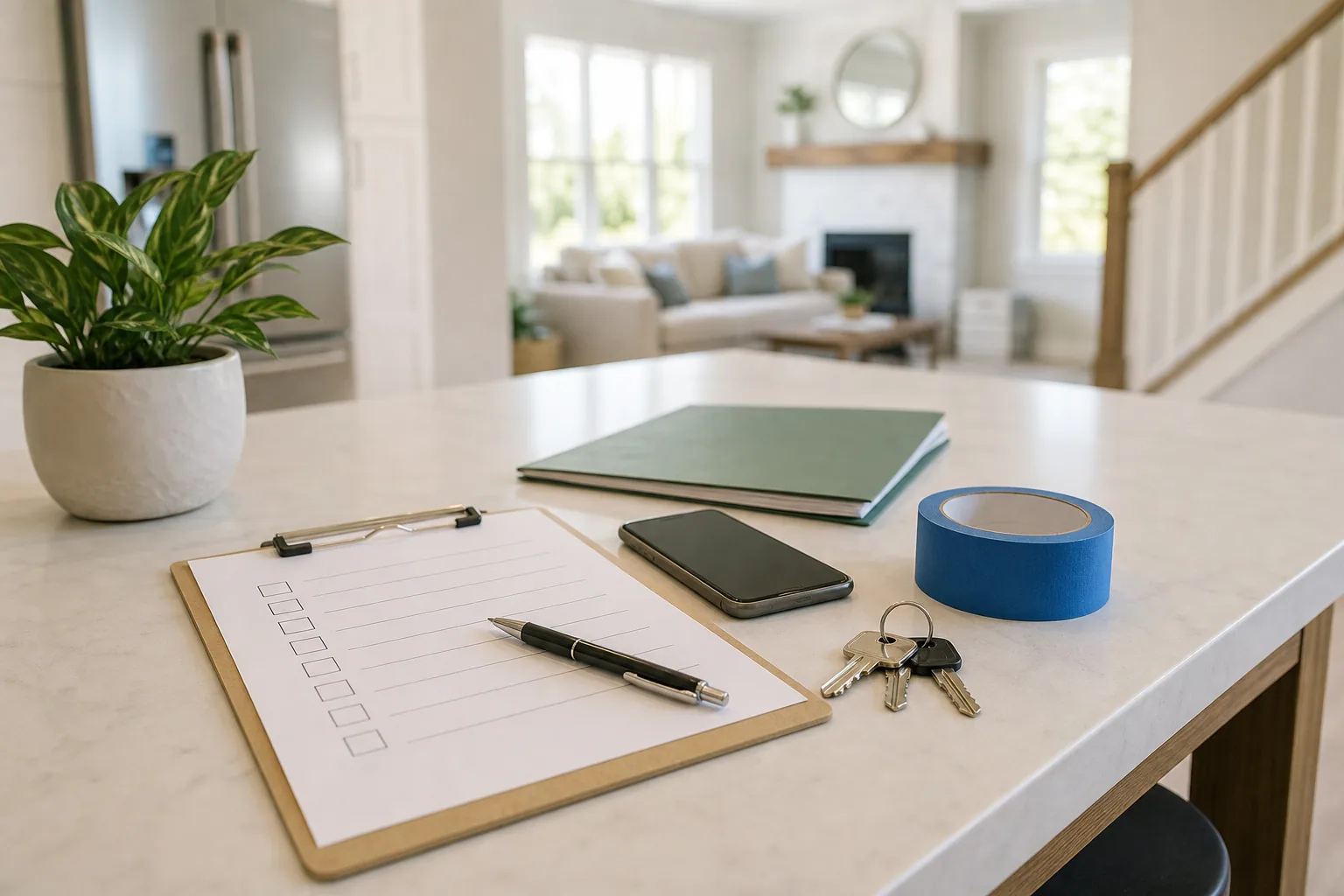
The final walk-through is not a second inspection and it is not a victory lap. It is the buyer's last practical chance before closing to confirm that the property is in the expected condition, agreed repairs are complete, included items are still present, utilities are functioning for the visit, and no new problem has appeared since the contract was signed.
In Pennsylvania transactions, the exact rights and remedies depend on the agreement of sale, addenda, inspection negotiations, lender requirements, title work, and property-specific facts. The checklist below is an operational framework buyers can use with their agent and settlement team so the walk-through produces useful evidence rather than scattered impressions.
1. Prepare before you arrive
A useful walk-through starts with documents, not the front door. Bring the agreement of sale, inspection reply or repair addendum, seller disclosure, included-item list, receipts or contractor notes for negotiated repairs, and any questions still open with the lender, title company, attorney, or agent.
For financed purchases, review the closing package timing too. The Consumer Financial Protection Bureau says borrowers must receive a Closing Disclosure at least three business days before closing, and recommends using that time to resolve questions before signing. CFPB's closing resources are available at consumerfinance.gov.
Bring to the walk-through
- Contract, addenda, seller disclosure, and inspection negotiation documents.
- List of repairs, credits, seller obligations, included appliances, fixtures, and personal property.
- Phone charger, flashlight, tape measure if needed, and a way to take photos and notes.
- Contact information for the buyer agent, listing agent, lender, title company, and attorney if one is involved.
- A clear plan for who will escalate issues if something material is discovered.
2. Start with access and overall condition
Before diving into details, confirm the basics. Does the property appear vacant or occupied as expected? Are keys, garage remotes, gate cards, mailbox keys, alarm codes, manuals, or smart-device transfer instructions accounted for? Are there signs of new damage, missing items, trash, abandoned property, or unauthorized work?
Photograph the exterior approach, main entry, garage or parking area, and any spaces where condition has changed. Keep notes factual: location, condition, date, and whether the item relates to the contract or a new concern.
3. Verify negotiated repairs without re-inspecting the whole house
If the seller agreed to repairs, check the specific items against the written agreement. Ask whether receipts, permits, warranties, or contractor documentation were required, and confirm those materials have been delivered or are ready for settlement. Avoid vague conclusions such as "looks fine" when the agreement required a specific completion standard.
- Find the repair location. Match the walk-through item to the inspection report or addendum language.
- Review visible completion. Note whether the area appears finished, incomplete, damaged, or inaccessible.
- Check paperwork. Confirm invoices, paid receipts, warranties, permits, or licensed-professional documentation where required by the agreement.
- Escalate uncertainty promptly. If a repair cannot be verified, raise it before closing rather than trying to solve it from the signing table.
4. Test everyday systems at a basic level
The walk-through is not the time to dismantle equipment or perform specialized testing, but buyers should confirm basic function where safe and accessible. Try lights, switches, visible GFCI resets where appropriate, included appliances, garage doors, windows, doors, locks, faucets, toilets, drains, exhaust fans, heating and cooling controls, and any included smart devices that are expected to transfer.
Use common sense and do not operate equipment in a way that could cause damage. If utilities are off or a system cannot be tested, document that fact and ask the transaction team what the agreement allows or requires.
5. Look carefully for water and weather changes
Weather between inspection and closing can reveal new conditions. Check ceilings, walls, under sinks, around toilets, near the water heater, basement walls and floors, sump areas, windows, exterior grading, gutters, and areas where prior stains or repairs were noted. Fresh water, damp smells, new stains, or active leaks should be escalated immediately.
For vacant homes, also check heat, cooling, humidity, and freeze-related concerns in season. A home can change quickly when no one is living there, especially during heavy rain, cold snaps, or long summer humidity.
6. Confirm included items and seller removals
Included and excluded items are a common source of last-minute friction. Compare the contract and listing details to what is physically present: appliances, fixtures, window treatments, TV mounts, shelving, playsets, sheds, pool equipment, security equipment, remotes, keys, manuals, and any items specifically negotiated.
Also confirm the seller removed items that were supposed to go. Leftover paint, chemicals, debris, old furniture, construction materials, and unwanted personal property can create move-in problems. If something remains, document it and route the issue before funds are disbursed.
7. Walk the property in the same order every time
A repeatable route prevents missed rooms. Start outside, move through the main level, then upper levels, lower levels, attic or storage areas if accessible, garage, exterior structures, and mechanical areas. In each space, check condition, cleanliness, included items, access, water signs, and basic function.
Room-by-room prompts
- Are floors, walls, ceilings, windows, and doors in substantially the expected condition?
- Are agreed repairs visibly complete and documented where required?
- Are appliances, fixtures, remotes, manuals, and keys present if included?
- Do lights, plumbing fixtures, doors, locks, windows, and included equipment work at a basic level?
- Is there new damage, missing property, abandoned property, odor, moisture, or a safety concern?
8. Decide what is material before closing
Not every scuff is a closing problem, and not every issue can wait. Sort findings into three lanes: ordinary move-in notes, items that should be discussed but may not delay closing, and material concerns that require immediate guidance from the buyer's agent, lender, title company, attorney, or other advisor.
Material concerns may include missing negotiated items, incomplete agreed repairs, new water intrusion, utility issues that prevent basic verification, damage after inspection, seller occupancy problems, or conditions that affect lender or insurance requirements. The right response depends on the contract and facts, so speed and documentation matter.
9. Leave with a clean closing-day record
At the end of the walk-through, the buyer should know what was confirmed, what remains open, and who owns the next step. Send a concise written summary through the appropriate transaction channel. Include photos only when they clarify the issue, and avoid emotional descriptions that make the record less useful.
Quinn and Wilson Realty in Jenkintown, PA supports buyers and real-estate professionals who want organized, practical closing preparation. A calm final walk-through will not prevent every surprise, but it gives the buyer a disciplined last check before ownership changes hands.